Lighting is more than a way to enhance a building’s appearance or improve energy efficiency. Light brings architecture to life, defining the character of spaces and influencing how we perceive, feel, and experience them. Poorly designed lighting can disrupt human circadian rhythms, distort architectural intent, contribute to light pollution and glare, and reduce visual and emotional comfort. That is why lighting should be considered from the very beginning of the architectural design process.
The buildings of the future require close collaboration between architects, lighting designers, and lighting engineers. Digital modelling, comprehensive lighting calculations, high-quality components, and intelligent control systems all play an essential role in creating spaces that support both human well-being and the quality of the built environment.
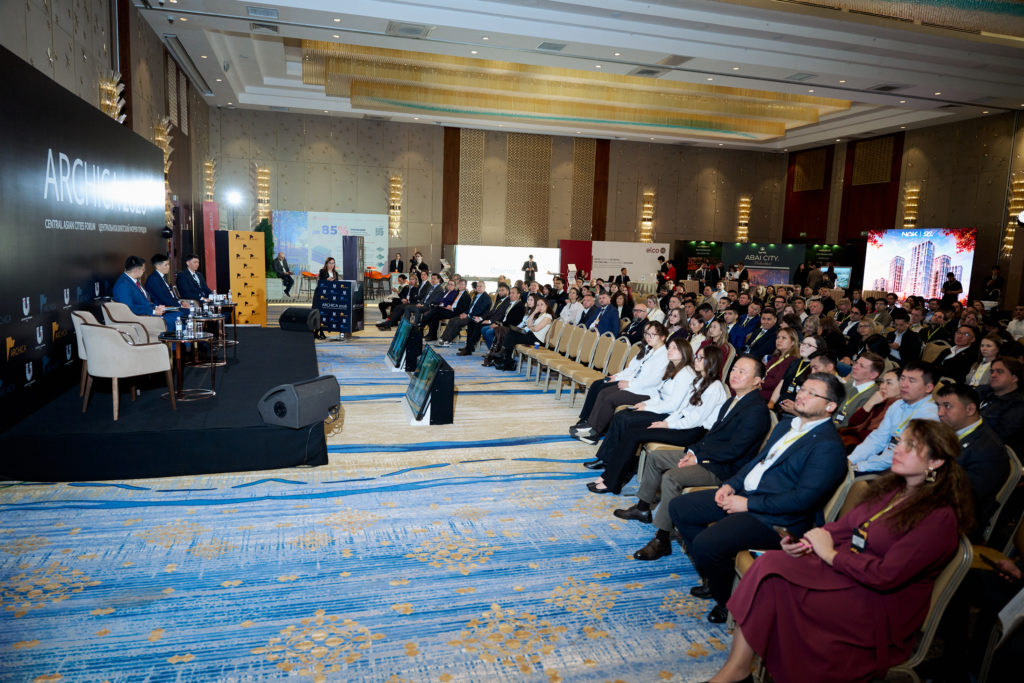
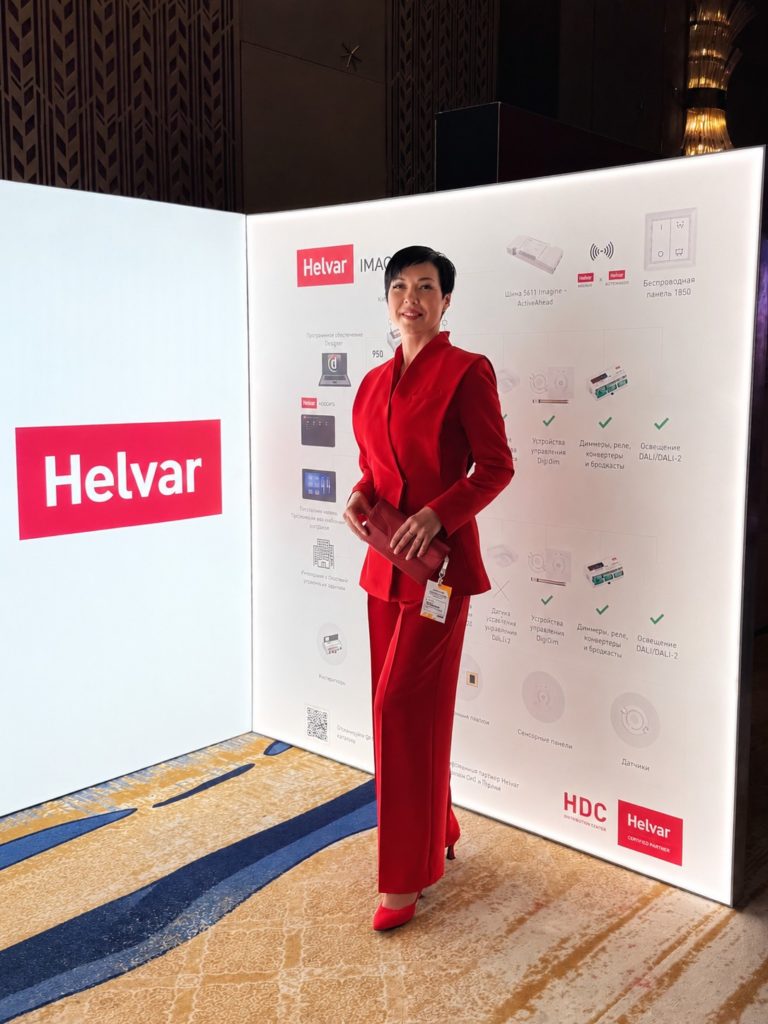
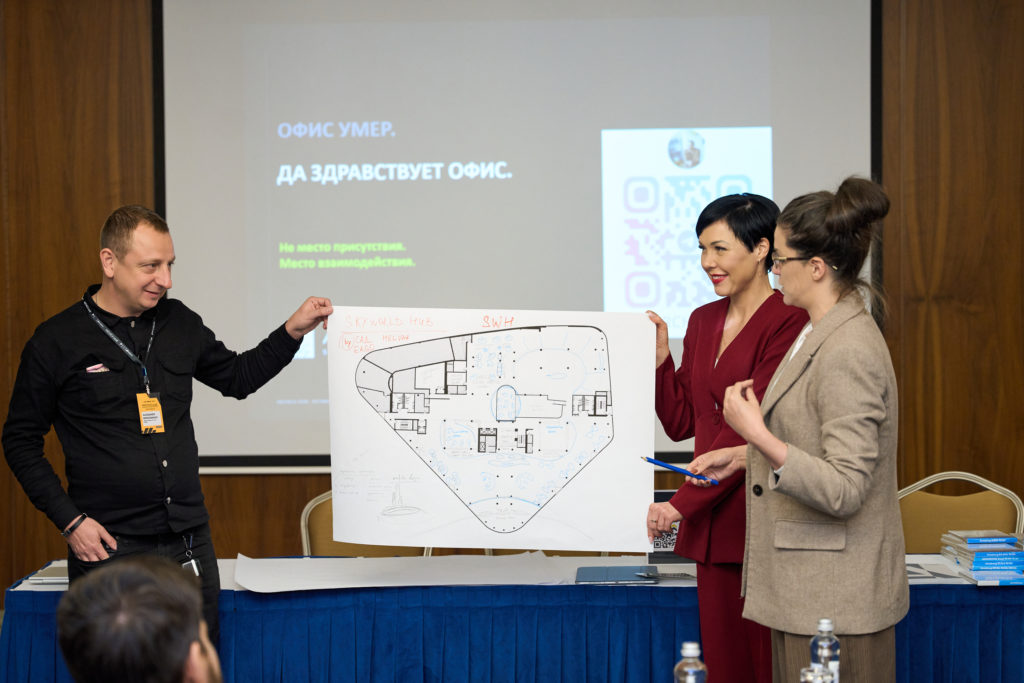
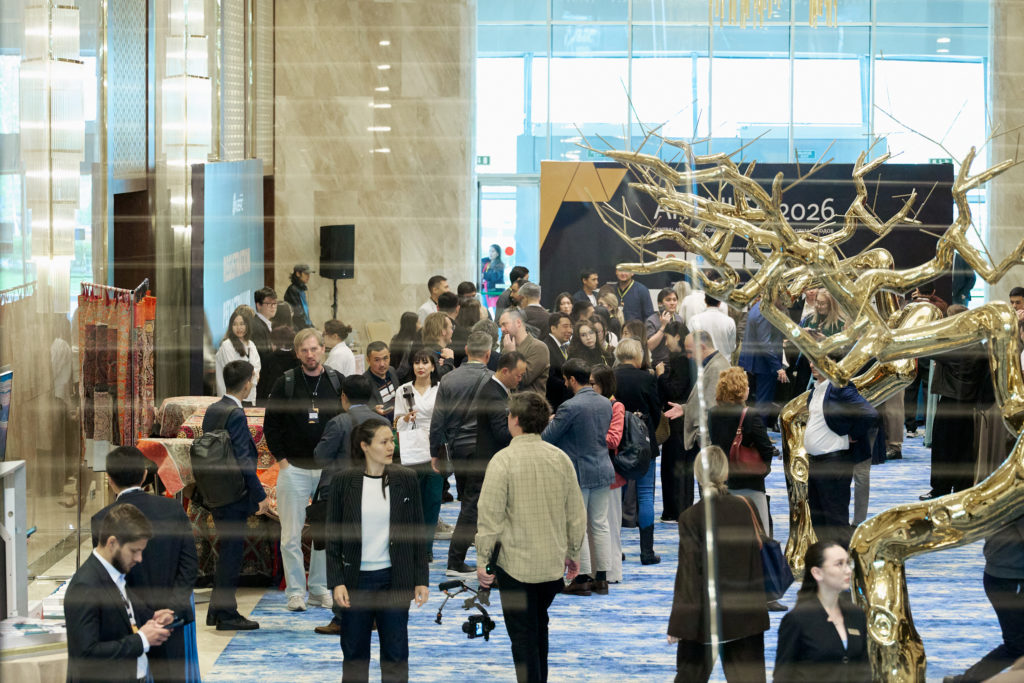
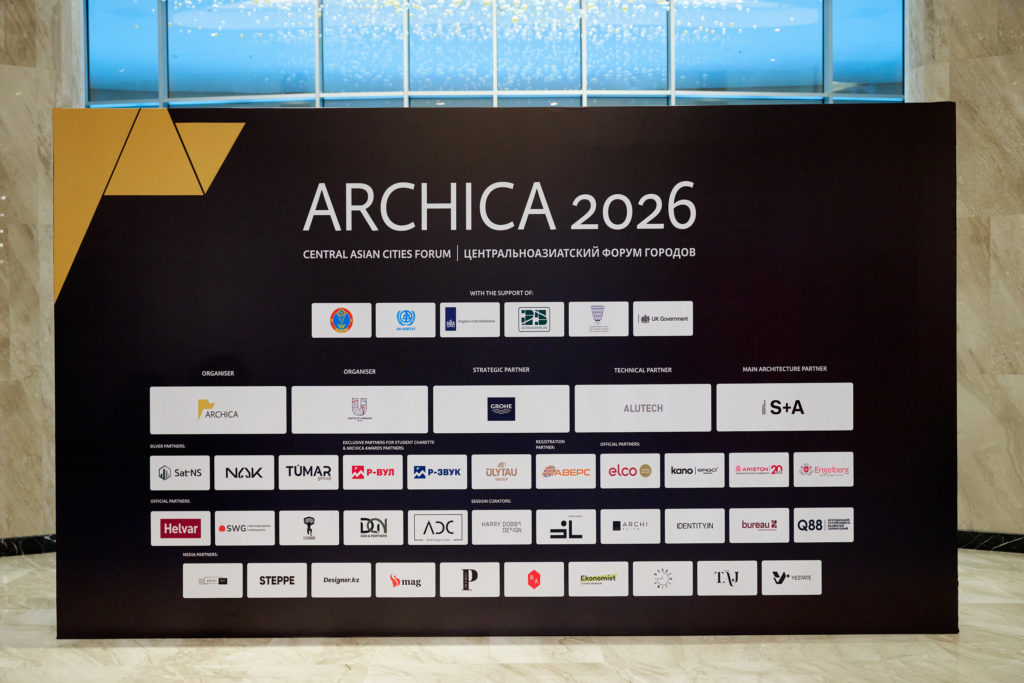
These became the core idea of the presentation “SMART LIGHTING — PART OF THE ARCHITECTURAL CONCEPT, NOT JUST AN ELEMENT OF BUILDING ENERGY EFFICIENCY”, delivered on 5 October at the ARCHICA 2026 International Congress, held at the SAAD Hotel in Astana.
Bringing the Concept to Life
An LED installation featuring a biodynamic lighting scenario brought these principles to life. Through gradual changes in brightness and colour temperature, the installation demonstrated the transition from daytime to evening, illustrating how even LED strips can be integrated into dynamic lighting scenarios.
The demonstration showed how intelligent lighting control can become an integral part of architectural design, enhancing the visual experience of a space while supporting people’s well-being and improving the quality of the built environment.
Thank you to the ARCHICA 2026 organisers, to Elena Rasskazova for her insightful presentation, and to everyone who made the event a place for professional dialogue and knowledge sharing about the future of our cities and buildings.
Smart lighting starts with smart architectural decisions!